
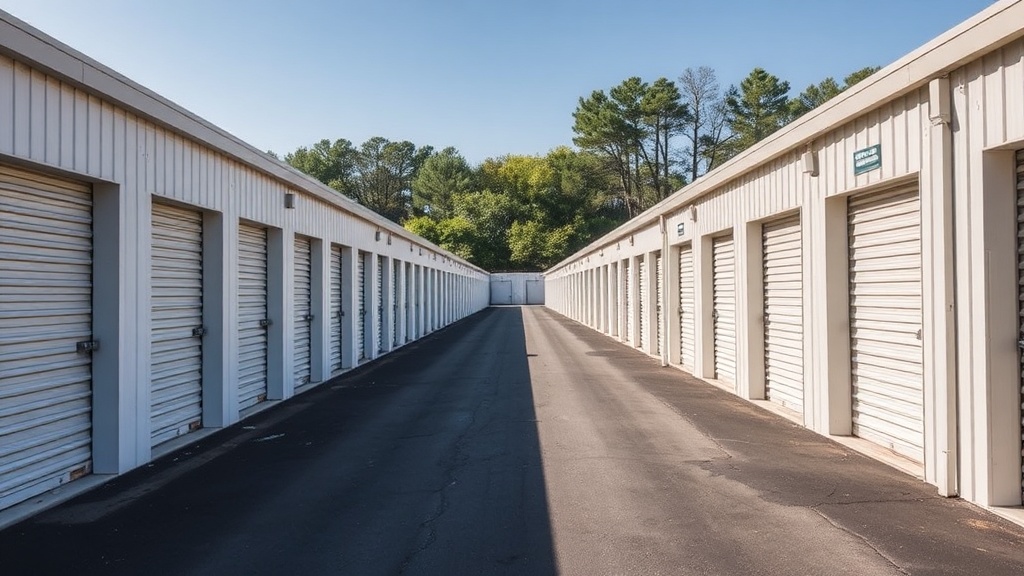
The Atlanta City Council voted unanimously on May 12, 2025, to approve a 190-day moratorium on all new self-storage facility construction within city limits, effective immediately. The halt applies to building permits, variances, and special use permits while the city's Department of City Planning rewrites land-use regulations governing the location, design, and density of self-storage development.
Council members cited concerns about the rapid proliferation of climate-controlled warehouses in formerly industrial and commercial corridors, particularly along the BeltLine and in southwest Atlanta neighborhoods undergoing redevelopment. The moratorium does not affect facilities already under construction or operators renewing existing permits, but it freezes the development pipeline and competitive supply for at least six months—and likely longer if the city extends the pause or phases in stricter rules gradually.
What the Atlanta Self-Storage Moratorium Means for Small Operators
For independent self-storage owners in Atlanta and across the Sun Belt, this is a rare planning window. The Atlanta self-storage moratorium effectively locks the competitive landscape in place through the end of 2025, giving existing operators time to shore up occupancy, test rate increases, and prepare for a regulatory environment that may soon favor established players over new entrants.
Expect the city's revised rules to include design standards—façade treatments, setbacks, landscaping buffers—and stricter local zoning and land-use restrictions on where self-storage can be built. Similar moratoriums in Austin, Nashville, and Charlotte over the past three years have resulted in overlay districts, conditional-use requirements, and higher barriers to entry that protect incumbents while making greenfield projects more expensive and time-consuming.
Small operators who use this window wisely will focus on three priorities: tightening revenue management, improving tenant retention, and documenting their entitlements and compliance posture in case grandfather clauses or amortization schedules come into play.
How Independent Operators Can Prepare Using Stowlane
Running a tighter operation during a supply freeze starts with clean data and automated workflows. Stowlane gives small, independent operators the tenant and lease management tools to capture every dollar and reduce administrative drag—without the enterprise pricing or feature bloat of legacy platforms.
Tenant & lease management: Centralize move-ins, lease terms, unit assignments, and tenant contact information in one system. When occupancy climbs during a moratorium, you need accurate records and fast access to lease details.
Online payments and autopay: Stowlane integrates with your own Stripe account, so tenants pay rent online and you keep transaction fees low. Autopay enrollment reduces delinquency and smooths cash flow—critical when you're testing rate increases on a stabilized portfolio.
Automatic late fees and delinquency ladder: Set your fee schedule once, and Stowlane applies late charges, sends reminders, and escalates notices automatically. Less time chasing rent means more time on strategic pricing and market positioning.
Lease e-signing and tenant portal: Speed up move-ins with electronic lease execution and give tenants 24/7 self-service access to statements, payments, and gate codes. Professional tenant experience helps retain customers as competition freezes.
Reports and gate code management: Pull occupancy, revenue, and delinquency reports to model rate scenarios and track performance. Manage gate access codes and permissions without spreadsheets or third-party hardware subscriptions.
Free unlimited locations and flat pricing: Whether you operate one facility or five across metro Atlanta, Stowlane charges a single flat rate by facility size—starting at $99 per month for the first 100 units. No per-tenant fees, no surprise add-ons, and no penalty for growth.
Preparing for the Next Wave of Zoning Rules
As Atlanta drafts its new self-storage ordinance, other Sun Belt cities are watching. Independent operators who clean up their systems, document compliance, and optimize operations now will be better positioned when stricter zoning spreads—and better able to demonstrate to local planning boards that well-run, locally owned facilities are community assets, not blight.
If you're an independent operator in Atlanta or another fast-growing market, now is the time to get your operations airtight. Try Stowlane free for 14 days and see how modern management software can help you make the most of this moment.