
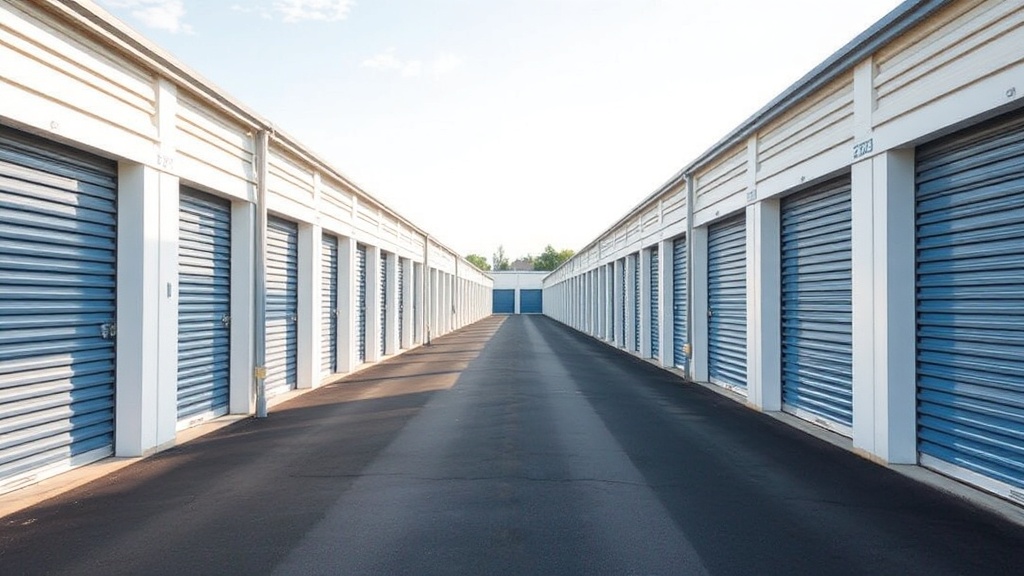
Extra Space Storage, the second-largest self-storage REIT in the United States, released its 2025 Sustainability Report this month, detailing energy-efficiency investments, automation rollouts, and ESG initiatives across its portfolio of more than 3,600 properties. The report highlights LED and solar retrofits at hundreds of facilities, expanded use of smart climate controls and remote monitoring, and a continued shift toward leaner onsite staffing enabled by digital leasing and payment systems.
For small, independent operators, the Extra Space sustainability report offers more than feel-good corporate messaging—it's a roadmap. The moves Extra Space is making aren't about environmental virtue signaling; they're about cutting operating costs. And the most cost-effective tactics—LED lighting, smart thermostats, solar where feasible, and tech-enabled staffing reductions—are just as available to a 150-unit independent facility as they are to a national chain.
Energy Efficiency in Self-Storage: Not Just for the Big Players
Extra Space's report calls out measurable gains from LED conversions and solar panel installations, which deliver immediate reductions in utility bills and, in many markets, tax incentives or rebates. Small operators can pursue the same upgrades incrementally—starting with high-traffic areas like hallways and office spaces, then expanding to climate-controlled units.
Smart HVAC controls and occupancy sensors are another low-hanging fruit. These systems reduce runtime when units are vacant or hallways are empty, translating into operational cost savings that compound month over month. The initial outlay is modest, and the payback period is often under two years.
Automation and Leaner Staffing: The Real Competitive Edge
What's more interesting—and more immediately actionable—is Extra Space's doubling down on automation to reduce labor costs. Remote leasing, digital lease signing, online payments, and automated late-fee workflows mean fewer hours spent on administrative tasks and less need for full-time onsite staff.
This is where independent operators used to lag behind. But modern self-storage management software has leveled the playing field. A well-configured platform can handle tenant and lease management, collect rent via online payments tied to the operator's own Stripe account, enforce automatic late fees and a delinquency ladder, send gate codes digitally, and offer tenants a self-service portal—all without adding headcount.
Take a hypothetical 120-unit facility currently staffed five days a week. By adopting a system that automates rent collection with autopay, sends lease documents for e-signing, and lets tenants pay and manage their account online, that operator might reduce onsite hours by half—or shift the manager's time toward revenue-generating work like unit merchandising, local marketing, and tenant retention.
How Stowlane Helps Small Operators Compete on Cost and Efficiency
For independent operators looking to mirror the efficiency gains outlined in the Extra Space sustainability report, software is the enabler. Stowlane is purpose-built for small and mid-sized self-storage businesses, with flat pricing that starts at $99 per month for the first 100 units and covers unlimited locations—no surprise fees, no per-tenant charges.
Stowlane's feature set directly supports the automation and cost-cutting strategies Extra Space is scaling: tenant and lease management, online payments and autopay processed through the operator's own Stripe account, automatic late fees with a configurable delinquency ladder, electronic lease signing, gate code management, detailed reports, and an optional tenant portal. Operators get the tools to run leaner without sacrificing service quality or tenant experience.
The result is fewer hours spent chasing checks, printing leases, and manually tracking delinquencies—and more time and capital available for the kinds of energy-efficiency upgrades that drive down utility bills and boost property value.
Copy the Playbook, Keep the Margin
Extra Space's sustainability push is ultimately a margin play. Lower energy costs and reduced labor expenses translate directly to higher net operating income and stronger returns. Small operators face the same cost pressures and the same competitive threats from well-capitalized REITs. The good news: the playbook is public, and the tools to execute it are accessible.
If you're an independent operator ready to cut costs, streamline operations, and compete with the big players on efficiency, take a look at what Stowlane can do for your facility. Start your free trial today and see how the right software can turn sustainability strategies into bottom-line savings.