
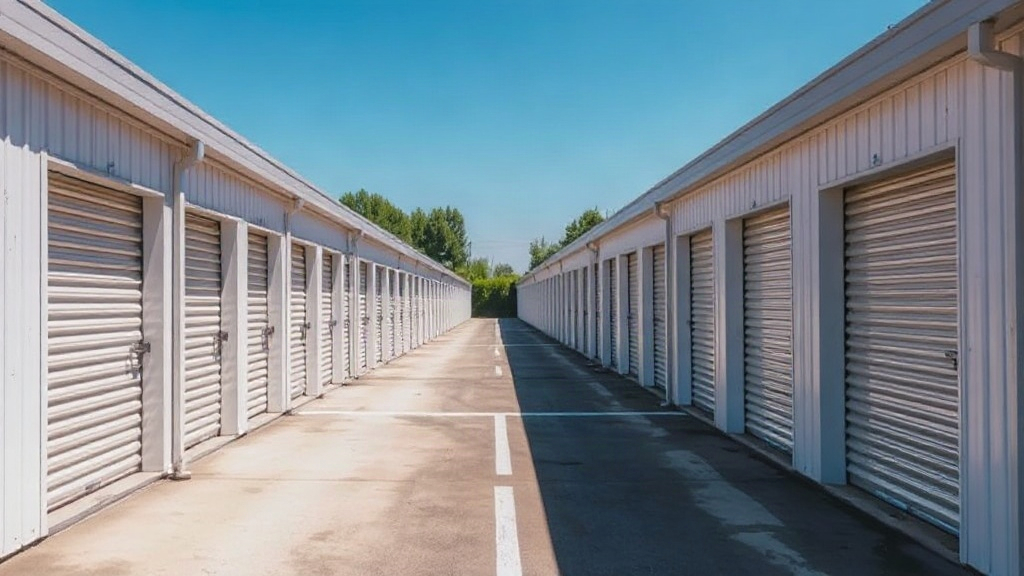
The Federal Reserve's ongoing interest-rate increases are sending ripples through the self-storage industry, fundamentally altering the financial landscape for independent operators who rely on borrowing to expand, acquire, or refinance their facilities.
With the federal funds rate climbing from near-zero levels to its highest point in over two decades, commercial real estate financing—including loans for self-storage properties—has become measurably more expensive. Regional banks and specialized lenders are passing these higher benchmark costs directly to borrowers, meaning a refinancing or acquisition that might have carried a 4% rate two years ago could now command 7% or higher, depending on creditworthiness and loan structure.
This shift is already slowing the breakneck pace of self-storage development and acquisition activity that defined the post-pandemic boom. Institutional investors and large operators with access to cheaper capital continue to dominate new construction, while many independent operators are pausing expansion plans or re-evaluating project timelines as the math changes on projected returns.
What Higher Self-Storage Financing Costs Mean for Small Operators
For the owner of a single facility or a small portfolio, the Federal Reserve rate increase creates a new set of strategic questions. Refinancing existing debt now locks in higher payments for years. New acquisitions require more equity or accept thinner margins. Development projects that penciled out comfortably at lower rates may no longer clear internal hurdle rates.
But higher borrowing costs also create opportunity. As larger competitors pull back or tighten underwriting, independent operators with strong cash flow and disciplined capital planning can gain ground. The key is operational efficiency—maximizing revenue per unit, controlling expenses, and maintaining high occupancy without the overhead bloat that plagues many institutional players.
Capital Planning and Revenue Management in a High-Rate Environment
Independent operator capital planning now demands closer attention to cash flow timing, occupancy trends, and rate optimization. When debt service rises, every percentage point of occupancy and every dollar of effective rent matters more. Operators need real-time visibility into which units are turning over, which tenants are current, and where pricing can be adjusted without triggering vacancies.
This is where modern management software becomes a capital-planning tool, not just an operational one. A system that automates routine tasks—tenant and lease management, online payments with autopay connected to the operator's own Stripe account, automatic late fees, and a structured delinquency ladder—frees up time for strategic work while tightening the revenue cycle.
Consider a 150-unit facility evaluating whether to refinance or hold existing debt. The operator needs clean financial reports that show true net operating income, not spreadsheets full of manual reconciliations. Lease e-signing accelerates new move-ins and reduces vacancy days. An optional tenant portal reduces service calls. Gate codes integrate with access control. These features, available in Stowlane's flat-rate pricing model starting at $99 per month for the first 100 units, turn software from a cost center into a revenue and efficiency engine.
Making Every Dollar Count When Financing Is Expensive
With self-storage financing costs elevated, small operators can't afford to lose revenue to manual errors, delayed rent collection, or operational inefficiencies. The difference between 92% and 95% occupancy, or between collecting rent on the first versus the fifteenth, compounds quickly when debt service is higher.
Stowlane is built specifically for independent operators who need institutional-grade capabilities without institutional-grade complexity or cost. Free unlimited locations mean a two- or three-facility operator pays one predictable fee, not per-location premiums. Flat pricing by facility size—not per-tenant or transaction-based fees—means costs stay fixed even as revenue grows.
The Federal Reserve's rate policy won't reverse overnight, and the self-storage industry will continue adapting to a higher-cost capital environment. Independent operators who invest in operational efficiency, revenue discipline, and clean financial visibility will be positioned to weather this cycle and capitalize when conditions shift again.
Ready to tighten operations and improve cash flow in a high-rate environment? See plans and start a trial at stowlane.com/pricing.