
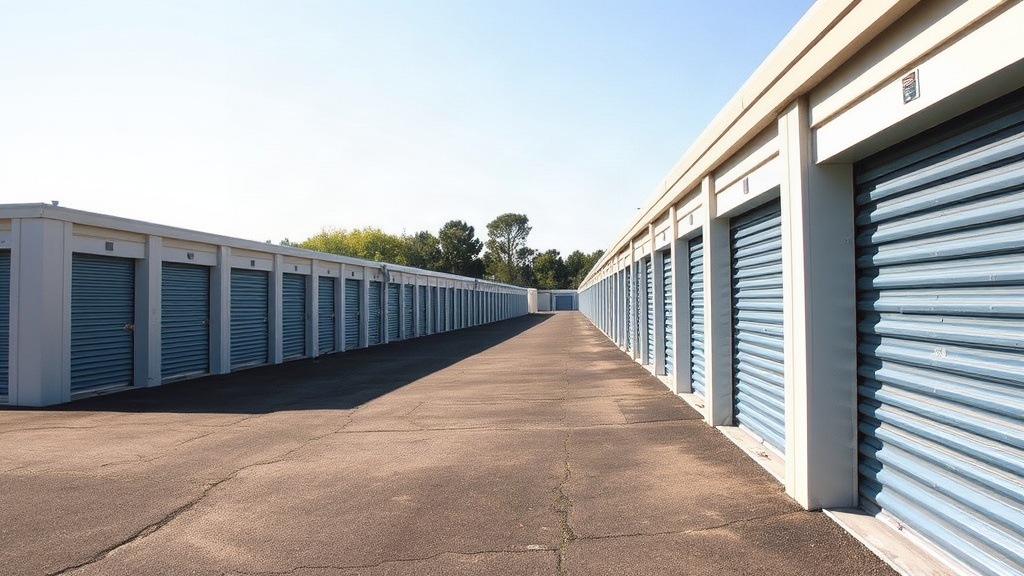
Self-storage owners across the country are reporting persistent but uneven financial pressure from elevated interest rates, with challenges ranging from looming refinancing risk to increased operator discounting and slower move-related demand tied to sluggish housing activity.
While the Federal Reserve has signaled potential rate cuts ahead, many operators face near-term loan maturities that could dramatically increase debt service costs. Industry observers note that facilities financed during the ultra-low-rate environment of 2020-2021 are now confronting renewal terms that may double or triple monthly interest expenses. At the same time, reduced housing turnover—a traditional driver of self-storage demand—has slowed move-ins at many properties, while inflation-strapped tenants are pushing back on rate increases and hunting for promotional deals.
The result is a squeeze on both sides of the income statement: higher financing costs meeting softer pricing power. Operators report heavier use of first-month discounts and longer promotional periods to maintain occupancy, compressing revenue per occupied unit even as operating and debt costs climb.
What Independent Operators Can Do Now
For small and independent self-storage owners, the current environment demands a back-to-basics focus on cash flow discipline, operational efficiency, and data-driven decision-making. The good news: most independent operators have the agility to adjust faster than large institutional players, provided they have the right tools and visibility.
First, stress-test upcoming loan maturities. If a facility has debt maturing in the next 12 to 24 months, model the cash flow impact of higher rates now—not when the renewal notice arrives. Knowing the numbers early creates time to build reserves, reduce expenses, or explore alternative financing.
Second, tighten collection processes to protect cash flow. In a higher-rate environment, every dollar of delinquency represents capital that could otherwise service debt or fund improvements. Automated late fees, consistent follow-up, and a clear delinquency ladder keep revenue flowing and reduce the need for costly write-offs.
Third, limit discounting wherever possible. While promotions can fill vacant units, blanket discounts erode average rental rates and train customers to wait for deals. Instead, target discounts strategically—only for specific unit types or time periods—and rely on strong operations and tenant experience to justify full pricing.
How Stowlane Helps Independent Operators Navigate Uncertainty
Stowlane, a self-storage management platform built specifically for small and independent operators, addresses these challenges with tools designed to improve cash flow visibility, streamline collections, and reduce reliance on heavy discounting.
The platform's tenant and lease management system gives operators a real-time view of occupancy, revenue, and delinquency across all locations—critical data for stress-testing financial scenarios and identifying cash flow risks early. Built-in reports let owners track average rental rates, discount usage, and collection performance, making it easier to spot trends before they become problems.
On the collections front, Stowlane automates late fees and supports a configurable delinquency ladder, ensuring consistent follow-through without manual tracking. Tenants can pay online via the operator's own Stripe account, and autopay enrollment reduces late payments and administrative overhead. Lease e-signing speeds move-ins and creates a digital paper trail, while an optional tenant portal lets renters manage their accounts without tying up office staff.
For operators managing multiple properties, Stowlane includes free unlimited locations under flat pricing that starts at $99 per month for the first 100 units—no per-location fees, no surprise charges as you scale. Gate code integration and unit-level tracking keep operations secure and auditable, even across dispersed portfolios.
In a climate where self-storage higher interest rates are forcing operators to do more with less, Stowlane's approach is simple: give independent owners enterprise-grade tools at small-business pricing, so they can protect margins, preserve cash flow, and compete on service rather than discounts.
Prepare Now, Not Later
The current interest rate environment may be uneven, but the risks—refinancing pressure, customer budget constraints, and margin compression—are real. Independent operators who act now to tighten operations, improve collections, and limit unnecessary discounting will be best positioned to weather uncertainty and capitalize when conditions improve. See plans and start a trial at stowlane.com/pricing.