
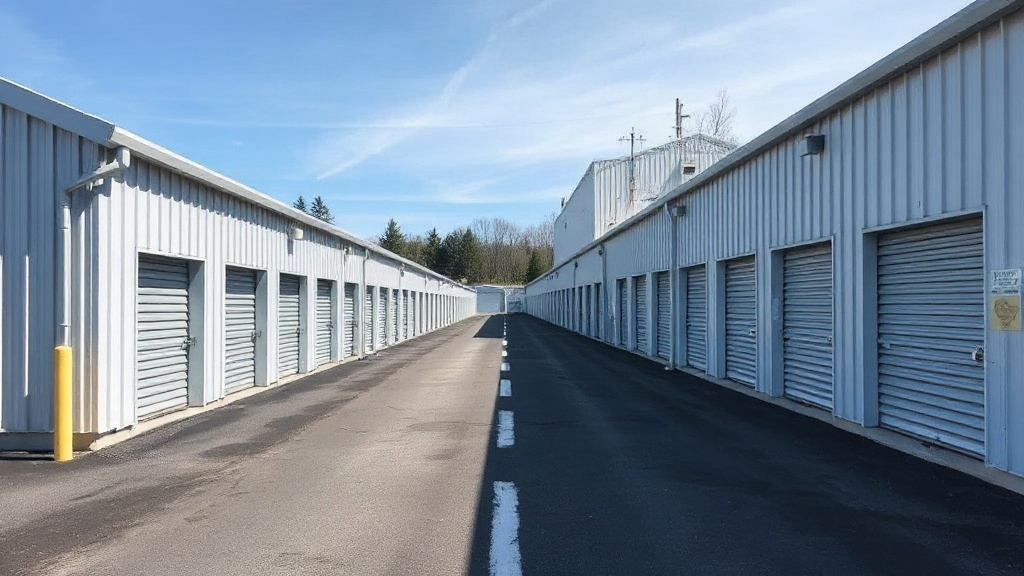
New Windsor, New York has imposed a six-month moratorium on new self-storage development, halting applications and site plan approvals while the town re-evaluates its zoning rules. The pause, which took effect in early 2025, reflects municipal concerns about the concentration of storage facilities along key commercial corridors and the impact on the town's tax base and traffic patterns.
New Windsor's move is part of a broader national trend. Over the past two years, municipalities from suburban New York to the Sun Belt have paused self-storage projects to study market saturation, aesthetic standards, and whether storage warehouses are the highest and best use of limited industrial and commercial land. For small, independent operators considering expansion—whether a second location or adding buildings to an existing site—the self-storage moratorium in New Windsor New York is a clear signal that zoning and permitting risk now belongs in every business plan.
Why Moratoriums Are Spreading
Local governments often point to rapid construction by national operators, concerns that self-storage generates less sales-tax revenue than retail, and resident complaints about warehouse aesthetics. A moratorium buys time for planning boards to draft stricter setback rules, design standards, or caps on facility density. The freeze itself may last six months, but the new rules that follow can reshape what's buildable—and where—for years.
For a small operator who has spent months negotiating a land lease or assembling financing, a sudden moratorium can stop a project cold. Even facilities that don't require new construction may find that adding buildings or converting existing space triggers a fresh site-plan review under updated code.
What Independent Operators Should Do Now
First, monitor local planning agendas. If your town or county schedules a public hearing on self-storage zoning, attend and bring data: your facility's property-tax contribution, local employment, and the demand you're meeting. Small operators have a credibility advantage over national chains when it comes to community relationships—use it.
Second, stress-test your expansion timeline. If zoning approval could take an extra six to twelve months, does your current facility have the operational capacity to absorb demand in the meantime? That means knowing your real occupancy, your rent roll's health, and your cash flow down to the unit.
Third, clean up your operations so you're running as efficiently as possible while you wait. A moratorium that delays revenue from new units makes every existing unit more valuable. You need tight lease management, fast rent collection, and zero revenue leakage from manual processes or missed late fees.
How Stowlane Helps You Stay Agile During Uncertainty
When expansion plans stall, operational efficiency becomes your growth engine. Stowlane gives small operators the same automation that used to require enterprise-tier software—at flat, predictable pricing that starts at $99 per month for the first 100 units.
Tenant and lease management keeps your rent roll accurate and accessible from any device. Online payments and autopay run on your own Stripe account, so tenants pay on time and funds hit your bank directly. Automatic late fees and a built-in delinquency ladder mean you never miss a charge or forget a follow-up, protecting cash flow while you navigate zoning uncertainty.
Lease e-signing speeds move-ins without added paperwork, and reports give you real-time visibility into occupancy, revenue, and trends—critical when you're pitching a planning board or a lender. The optional tenant portal and gate-code integration reduce calls and walk-ins, freeing you to focus on strategy rather than daily questions.
Stowlane also offers free unlimited locations, so if your expansion does go forward—or if you pivot to a different site in a friendlier jurisdiction—you can manage multiple facilities under one login without paying per-property fees.
Plan for Zoning Risk, Not Around It
The self-storage moratorium in New Windsor New York won't be the last. As the industry matures, zoning and permitting risk will show up in more markets, and operators who assume approvals will come easily may find themselves stuck mid-project. The smartest independents are already building flexibility into their roadmaps: alternative sites, phased construction, and operations that can scale revenue without adding square footage.
If a moratorium or new zoning rule delays your next facility, make sure your current one is running at peak performance. See Stowlane's plans and start a trial to see how automation and transparency can turn waiting time into a competitive advantage.