
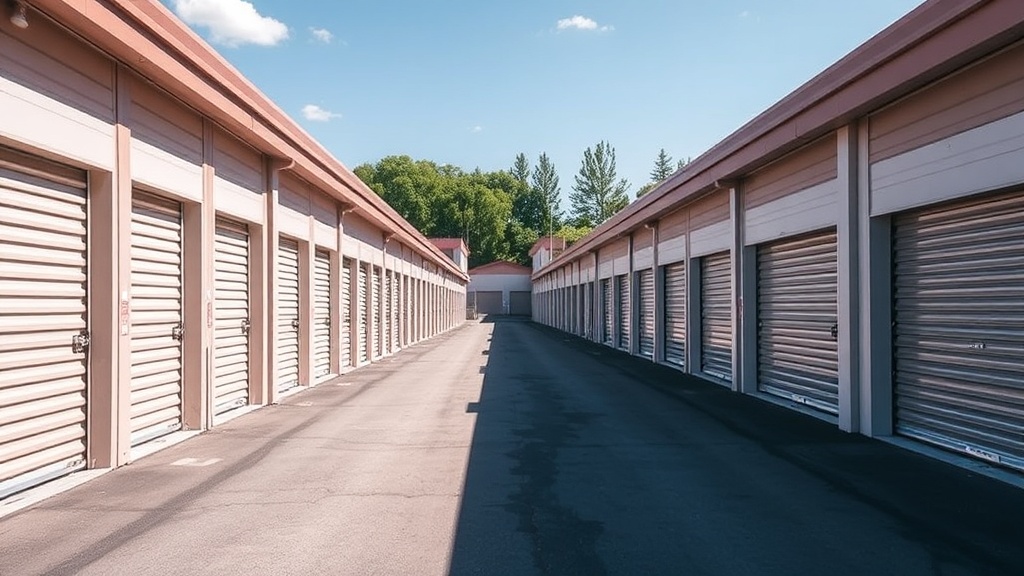
Public Storage, the world's largest self-storage operator, announced a $1.2 billion deal to acquire the publicly traded Public Storage Canadian Properties, consolidating full ownership of its Canadian portfolio. The transaction adds approximately 3.4 million net rentable square feet across 68 properties to Public Storage's direct control, bringing the REIT's total footprint to more than 3,000 facilities across North America.
The Canada acquisition is the latest in a wave of consolidation reshaping the self-storage industry. Public Storage already controls roughly 8% of the U.S. market by square footage, and this move extends that dominance northward, eliminating a separately managed entity and centralizing operations under one corporate umbrella.
What Consolidation Means for Independent Operators
For small and mid-sized independent owners, large-scale deals like this can feel like storm clouds on the horizon. When the biggest players get bigger, the conventional wisdom says they'll leverage economies of scale to undercut pricing, outspend independents on marketing, and squeeze margins across the board.
But consolidation also creates opportunity. Public Storage and other national brands tend to operate with rigid corporate processes, call-center customer service, and slower decision-making. Independent operators who stay lean, responsive, and local often win on customer experience and flexibility—provided they have the right tools to compete on operational efficiency.
Competing With Technology, Not Just Square Footage
The independents who thrive in a consolidating market are the ones who run their facilities like the professionals they are. That means modern tenant and lease management, automated collections, online payments, and digital move-ins—capabilities that used to require enterprise budgets but are now accessible to any operator.
Take rent increases as an example. A 150-unit facility might hesitate to raise rates if they're worried about tenant pushback or churn. But with clear reporting on occupancy trends, move-in dates, and comparable market rates, an owner can confidently implement strategic, unit-by-unit increases that protect revenue without triggering mass vacancies. Autopay on the operator's own Stripe account keeps payment friction low, while automatic late fees and a delinquency ladder ensure that collections don't slip through the cracks.
Lease e-signing and an optional tenant portal reduce the administrative load that bogs down so many small operators, freeing up time to focus on the competitive advantages that matter: local reputation, personalized service, and pricing agility. When a prospective tenant can move in online, manage their account digitally, and receive gate codes instantly, the experience rivals—or beats—what the big REITs offer, without the operator needing to hire additional staff.
Exit Values and the Consolidation Premium
Ironically, the same consolidation wave that increases competitive pressure can also boost exit valuations for well-run independent facilities. Institutional buyers and regional rollup funds are actively seeking assets in secondary and tertiary markets where Public Storage and other nationals have less penetration. A facility with clean financials, low delinquency, high occupancy, and modern systems is far more attractive than one running on spreadsheets and manual processes.
Flat pricing structures—like the model Stowlane uses, starting at $99 per month for the first 100 units with free unlimited locations—mean that operators can professionalize their operations without sacrificing margin. There's no percentage of revenue disappearing into software fees, and no surprise costs as the business grows or adds a second or third site.
Playing the Long Game
Public Storage's Canada acquisition won't be the last mega-deal in this industry. Consolidation is a structural trend, not a one-time event. But for independent operators, the path forward isn't to panic or sell prematurely—it's to operate with the same discipline and technology that makes any modern small business competitive.
The operators who invest in streamlined management, accurate reporting, and automated workflows today are the ones who will either outcompete the nationals on service and local knowledge, or command premium multiples when they do decide to exit.
If you're running one or more facilities and still managing operations with outdated tools, now's the time to modernize. Try Stowlane free for 30 days and see how the right software helps you compete—and win—in a consolidating market.