
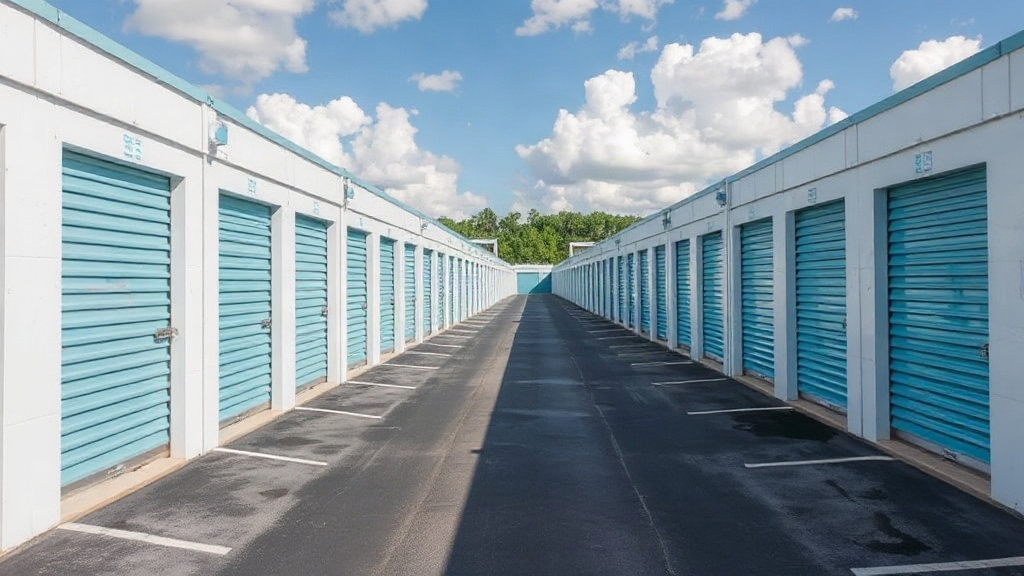
SecureSpace has opened its fifth Miami-area facility in Miami Beach, adding 793 storage units to a submarket where new supply remains limited. The facility features climate-controlled units and specialty storage options including wine storage, targeting the area's premium customer base in a neighborhood where few competitors have announced new construction plans.
The Miami Beach self-storage opening reflects broader trends in urban markets where land constraints and zoning restrictions limit new development. Facilities that do open in these environments often emphasize premium amenities—climate control, enhanced security, and specialty storage—to justify higher rents and capture pent-up demand from residents and businesses with limited alternatives nearby.
What Small Operators Can Learn From High-Amenity Openings
When a large operator opens a facility emphasizing climate-controlled storage demand and specialty units, independent operators should view it as market intelligence. If a competitor is betting on premium features in a supply-constrained area, it signals unmet demand worth evaluating at your own facility.
Small operators can assess whether adding climate-controlled units, wine storage units, or other specialty inventory makes sense by analyzing their current tenant mix, local demographics, and competitive positioning. A 150-unit facility in a dense urban neighborhood, for example, might find that converting a portion of standard units to climate control or adding secure wine lockers generates enough premium revenue to offset the capital investment—especially if planned competition remains limited.
The key is running the numbers before committing capital. What's your current occupancy? Which unit types have waitlists? Are you turning away inquiries for specialty storage you don't offer? Those data points, pulled from your management system, guide smarter expansion decisions.
How Stowlane Supports Specialty Unit Management
Managing a mix of standard, climate-controlled, and specialty units requires software that handles variable pricing, different lease terms, and tracking which amenities each tenant has access to. Stowlane's tenant and lease management system lets small operators define unit types with their own pricing structures, automatically calculate prorated charges when a tenant moves in mid-month, and track which units include climate control or other premium features.
When you add wine storage units or other specialty inventory, you need gate codes that restrict access appropriately, online payments so premium tenants can pay conveniently, and reports that show which unit types drive the highest revenue per square foot. Stowlane includes all of these features, with autopay running on the operator's own Stripe account—so you keep your payment processing relationship and data.
Automatic late fees and a delinquency ladder mean that even as you expand your unit mix, collections stay consistent without manual tracking. Lease e-signing streamlines move-ins for specialty units that may have additional terms, and the optional tenant portal lets customers manage their accounts without calling the office.
Stowlane offers free unlimited locations, so if you operate multiple small facilities—or you're considering opening a second site to capture demand in an underserved neighborhood—you manage everything from one system. Flat pricing by facility size starts at $99 per month for the first 100 units, which means your software cost is predictable as you test new unit types or add inventory. See plans and start a trial at stowlane.com/pricing.
Evaluating Specialty Storage in Your Market
Not every market can support wine storage or other niche amenities, but supply-constrained submarkets with affluent demographics often can. Walk your facility and identify underperforming space—a low-ceiling area, an interior hallway, or a secure room—that could be repurposed for specialty units without major construction.
Then model the revenue impact. If converting 10 standard units into climate-controlled specialty storage raises average rent by 30 percent and maintains similar occupancy, the payback period may be shorter than you expect. Your management software should make it easy to track performance by unit type so you know quickly whether the investment is paying off.
Take Control of Your Unit Mix
Large operators opening high-amenity facilities are signaling where they see demand. Small operators can respond by evaluating their own mix, adding specialty inventory where it makes sense, and using management software that scales with their ambitions. See plans and start a trial at stowlane.com/pricing.