
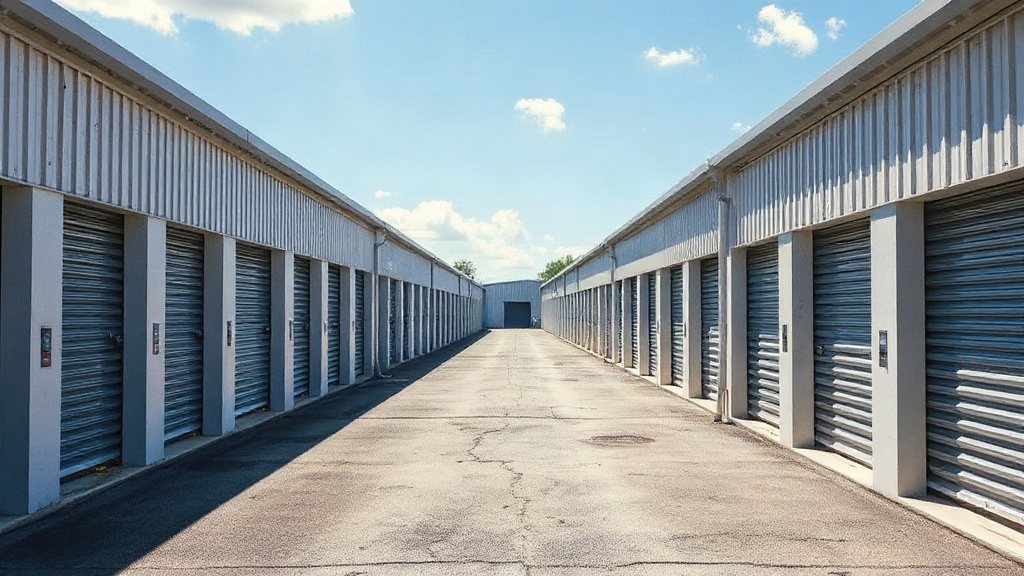
Self-storage development deliveries are projected to decline 19.6% in 2026 compared to 2025 levels, according to recent industry forecasts tracking the nationwide self-storage supply slowdown. The drop represents the continuation of a multi-year pullback in new construction that began as pandemic-era building booms flooded many markets with excess inventory.
The slowdown is largely attributed to tighter lending standards, higher construction costs, and developer caution following several years of weakening fundamentals. Markets that saw the heaviest overbuilding between 2020 and 2023 are expected to see the steepest declines in new project starts, though the correction remains uneven across regions.
While the reduced pipeline should eventually relieve competitive pressure, many operators are still contending with the aftermath of recent oversupply: soft occupancy and rents that have struggled to keep pace with inflation in saturated submarkets.
What the Supply Slowdown Means for Small Operators
For small, independent self-storage operators, fewer 2026 deliveries are welcome news—but not a cure-all. The competitive landscape should gradually improve as absorption catches up with existing inventory, potentially restoring pricing power that eroded during the construction surge. Operators who held firm on fundamentals through the oversupply period may finally see their discipline rewarded.
But the window won't stay open forever, and the operators who capture it will be those who can respond quickly to market shifts: adjusting rates by unit type, tightening delinquency follow-up, and converting more inquiries into leases. In a stabilizing market, the difference between thriving and treading water often comes down to execution—specifically, how efficiently you manage revenue, collections, and tenant relationships.
Revenue Management Tools for a Tightening Market
This is where modern property management software built for small operators makes a tangible difference. Stowlane gives independent facilities the same operational toolkit that larger portfolios rely on, without the enterprise complexity or cost.
Consider a hypothetical 150-unit facility looking to capitalize on improving conditions in 2026. With Stowlane's tenant and lease management system, the operator can track occupancy trends by unit size and location, identify which types are performing strongest, and adjust pricing accordingly—all from a single dashboard.
When it's time to raise rents on existing tenants, Stowlane's lease e-signing and automated communication features streamline the process. New rate schedules can be rolled out systematically, with digital signatures captured for compliance and audit trails maintained automatically.
Equally important in a market where every dollar counts: Stowlane's automatic late fees and delinquency ladder ensure no revenue slips through the cracks. The system applies late charges according to your facility's policy, escalates reminders on a defined schedule, and flags accounts that need personal attention—turning collections from a monthly scramble into a managed workflow.
Turning Occupancy Into Steady Cash Flow
Higher occupancy only translates to stronger financials if tenants actually pay—and pay on time. Stowlane's online payment system, powered by the operator's own Stripe account, makes it easy for tenants to pay from any device. More importantly, autopay enrollment converts one-time payers into reliable recurring revenue, reducing both delinquencies and administrative overhead.
For operators managing multiple properties—a common growth path for successful independents—Stowlane offers free unlimited locations under a single account, with flat pricing based on facility size starting at $99 per month for the first 100 units. There's no per-location upcharge, no percentage of revenue, and no surprise fees as you scale.
The optional tenant portal gives renters 24/7 access to their account, payment history, and gate codes, reducing after-hours calls and freeing up operator time for higher-value work like marketing and customer service. Meanwhile, Stowlane's reporting tools provide the financial visibility needed to track performance as market conditions shift, from rent roll summaries to delinquency aging reports.
Position Now for the Recovery Ahead
The self-storage supply slowdown projected for 2026 deliveries offers small operators a chance to regain margin and momentum—but only if they're operationally ready to seize it. Tighter markets reward operators who can move fast, manage revenue precisely, and keep occupancy converting into cash.
If you're ready to run leaner, collect faster, and compete smarter as the supply cycle turns in your favor, explore what Stowlane can do for your facility. No contracts, no commitments—just straightforward software designed for operators like you.