
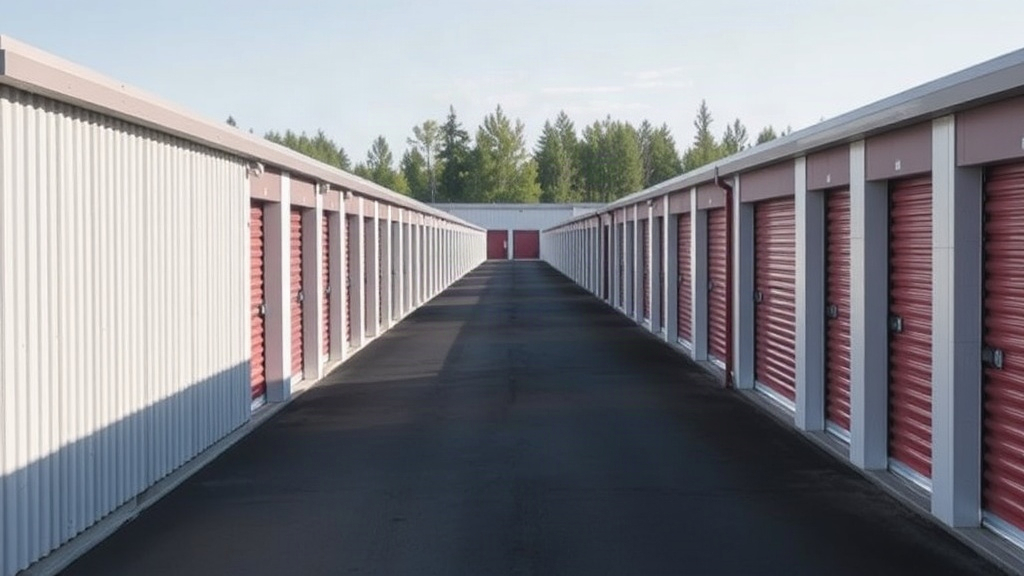
The national self-storage market is showing signs of stabilization after more than a year of challenging conditions. Industry data indicates that occupancy rates have begun climbing across most markets, while the pace of new facility openings has slowed considerably. The combination is creating a more favorable competitive environment for existing operators, particularly small and independent facilities that have weathered the recent oversupply cycle.
At the same time, advertised rent declines continue on a year-over-year basis, reflecting the lingering effects of the construction boom that added tens of millions of square feet to the market over the past three years. While street rates remain under pressure in many metros, the occupancy improvement and slower new supply suggest the worst of the downward pricing cycle may be behind the industry.
What Tightening Supply Means for Small Operators
For independent facility owners, this shift creates both opportunity and challenge. Reduced new construction means fewer competitors entering the market, giving existing operators more pricing power over time. Rising occupancy indicates that demand is absorbing the excess inventory, which should eventually support rate recovery.
However, the current environment still requires careful management. With advertised rents down year-over-year, operators can't simply raise street rates and expect to fill units. The key is balancing competitive pricing to capture incoming demand while maximizing revenue from the existing tenant base through strategic rate increases and operational efficiency.
Pricing and Revenue Management in a Recovering Market
Small operators should focus on differentiated strategies for new move-ins versus existing tenants. Street rates may need to remain competitive or even promotional to maintain the occupancy improvement trend, but existing tenants—especially those who moved in during the higher-rate environment of 2021-2022—often represent opportunities for gradual increases.
Modern management software makes this dual approach feasible without adding administrative burden. Stowlane enables operators to track lease anniversaries, set up automatic late fees, and manage a delinquency ladder that keeps revenue flowing without constant manual follow-up. For a facility with 150 units, for example, automating late fee assessment alone can recover thousands of dollars annually that might otherwise slip through the cracks.
Online payments with autopay—running on the operator's own Stripe account—further improve cash flow and reduce delinquencies. When tenants can pay easily and set up recurring payments, occupancy gains translate more directly to reliable revenue.
Capturing Demand Through Streamlined Operations
As occupancy stabilizes and new supply slows, the operators who can move quickly and professionally to capture inquiries will gain market share. Lease e-signing allows a prospective tenant to reserve and move into a unit the same day they inquire, without requiring an in-person visit during business hours. For small facilities competing against larger regional players, that responsiveness is a competitive advantage.
An optional tenant portal extends that convenience throughout the lease term, letting renters make payments, update contact information, and access account details on their own schedule. Gate codes can be managed directly in the system, making move-ins and access changes seamless.
Equally important in a margin-sensitive environment is cost control. Stowlane offers flat pricing based on facility size—starting at $99 per month for the first 100 units—with free unlimited locations. For multi-site operators or those planning to expand as market conditions improve, predictable software costs make financial planning simpler.
Positioning for the Next Phase
The combination of occupancy improvement and slower new supply suggests the self-storage market is entering a healthier phase. Operators who use this period to tighten operations, optimize pricing strategies, and improve the tenant experience will be best positioned when rate growth resumes.
Reports and tenant management tools provide the visibility needed to make informed decisions—tracking occupancy trends, revenue per unit, and delinquency rates across one facility or many. For independent operators without dedicated revenue management staff, having this data accessible in one system makes strategic adjustments practical and timely.
If you're looking to streamline operations and capture more revenue as market conditions stabilize, Stowlane's management platform is built specifically for small and independent self-storage operators. See Stowlane's plans and start a trial and see how the right tools can help you make the most of improving fundamentals.