
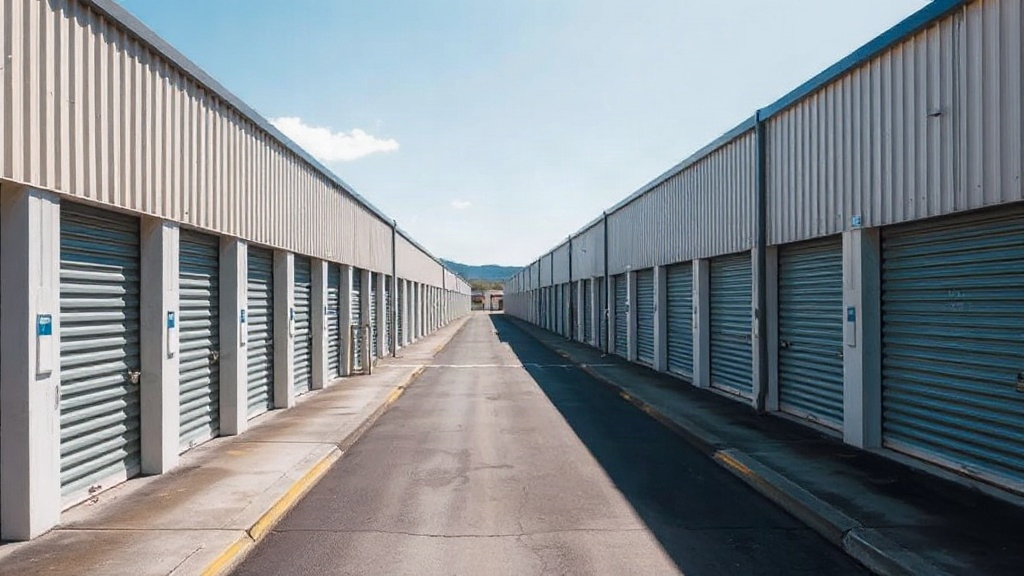
Inside Self-Storage's September 2026 development and zoning roundup highlights a steady stream of project approvals and facility openings, signaling that new supply continues to enter markets across the United States. Notable projects include the adaptive reuse of retail space for self-storage in Waterbury, Connecticut, alongside new facilities opening in Tennessee and Colorado.
The Waterbury project underscores a broader trend: developers are increasingly converting vacant or underperforming retail properties into self-storage facilities. Adaptive reuse offers a faster path to market than ground-up construction, often sidestepping lengthy zoning battles while breathing new life into empty storefronts. Tennessee and Colorado openings featured in the roundup add to a pipeline that remains robust despite broader economic uncertainty, with zoning approvals continuing to flow in suburban and exurban markets.
What New Supply Means for Independent Operators
For small, independent self-storage operators, tracking where new supply is getting approved and opened is essential business intelligence. A new 200-unit facility opening two miles from your location can reshape your competitive landscape overnight, putting immediate pressure on occupancy and rates. Conversely, knowing that a neighboring submarket is saturated with pending approvals might inform your own expansion or acquisition strategy—or signal that it's time to double down on tenant retention rather than chase new move-ins.
Adaptive reuse projects like the Waterbury conversion also present opportunities. Independent operators with an eye for underutilized retail or industrial space in their own communities can explore similar conversions, often at a lower cost basis than new construction. Zoning approvals for adaptive reuse can be more straightforward, especially in municipalities eager to fill vacant buildings and preserve tax revenue.
Managing Growth and Competition with the Right Tools
Whether you're facing fresh competition from new supply or considering your own expansion, operational efficiency becomes non-negotiable. Small operators need systems that scale without adding administrative overhead or complexity. That's where Stowlane comes in—self-storage management software purpose-built for independent operators who want powerful features without enterprise-level complexity or cost.
Stowlane handles the daily blocking and tackling that keeps your facility humming: tenant and lease management, online payments with autopay running on your own Stripe account, automatic late fees, and a configurable delinquency ladder that enforces your policies consistently. Lease e-signing speeds up move-ins, while detailed reports give you the data you need to track occupancy trends, assess rate pressure, and make informed pricing decisions as new competitors enter your market.
The optional tenant portal lets renters manage their accounts on their own time, reducing calls and walk-ins, while gate code management keeps access secure and auditable. And because Stowlane offers free unlimited locations with flat pricing by facility size—starting at just $99 per month for the first 100 units—you can add new properties or manage multiple sites without pricing penalties.
Turn Market Intelligence into Action
Monitoring new supply, zoning approvals, and adaptive reuse trends isn't just about tracking the competition—it's about positioning your operation to thrive regardless of what opens next door. Independent operators who combine market awareness with tight operations, responsive tenant service, and smart use of technology consistently outperform their larger, more bureaucratic rivals.
As the September 2026 roundup makes clear, the self-storage development cycle hasn't stopped. New projects are moving forward, adaptive reuse is gaining traction, and operators who stay informed and operationally sharp will be best positioned to weather fresh rate pressure and capitalize on new opportunities.
If you're ready to tighten up operations and free yourself from manual processes, take Stowlane for a spin. It's designed for operators like you—no fluff, just the tools you need to run a great facility.