
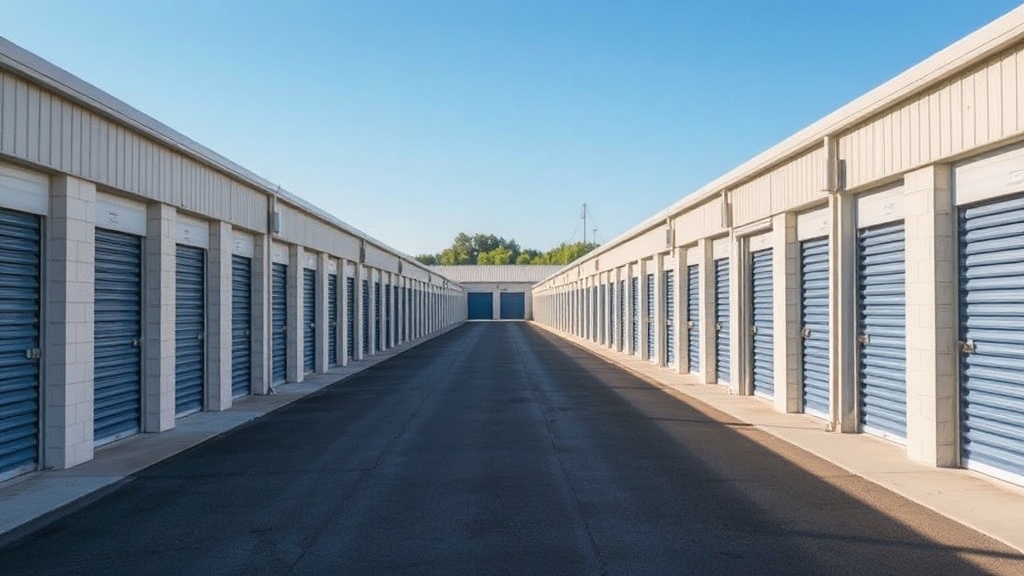
Storable, one of the largest software providers in self-storage, has acquired CallPotential, a company known for call-center automation, lead management, and collections tools. The deal folds another layer of customer-communication and payment-recovery technology into an already sprawling platform — and it is the latest in a long run of consolidation among the industry's software vendors.
For large operators, the logic is familiar: buy the add-ons, bundle them, and sell the suite. For the small, independent operator running one or a handful of facilities, these deals tend to land differently — usually as higher prices, more features you didn't ask for, and a stack that's harder to leave.
What the deal actually changes
CallPotential's strength was the unglamorous work of getting paid: chasing past-due tenants, automating reminders, and routing leads so they don't slip. Wrapped into a larger platform, that capability becomes another line item in an enterprise bundle — useful if you run a call center with hundreds of staff hours to manage, heavy if you're a single operator who just wants rent collected on time.
Consolidation also quietly raises the floor on price. As tools merge, the cheap, focused option you started with often becomes the entry tier of a much bigger package — and the "savings" of an all-in-one suite assume you'll actually use most of it.
Watch the lock-in
The real risk in a consolidating market isn't just price — it's leverage. The more of your operation lives inside one vendor's bundle, the harder it is to walk away when the renewal climbs. Small operators are best served by tools that keep payouts in their own processor and let them export their tenant and lease data whenever they want.
What a small operator really needs
Strip the enterprise language away and the job is simple: bill tenants, get paid, and follow up automatically when someone falls behind. A 150-unit facility doesn't need a call center — it needs the past-due process to run on its own.
- Automatic late fees and a delinquency ladder, so overdue tenants move through your steps without you watching a spreadsheet.
- Autopay and online payments on your own Stripe account, so most rent collects itself on the 1st.
- Payment reminders and receipts that send on their own, by text and email.
- Reports that show who's late and how much is at risk — no data team required.
The independent's advantage
You don't have to adopt an enterprise stack to get enterprise outcomes on collections. Stowlane gives a small operator the same results — automatic late fees, autopay, and reminders — at a flat price by facility size, on your own Stripe (so payouts and card fees stay yours), with no insurance upsell and no long contract.
Industry consolidation isn't going to slow down. The good news for independents is that the core work of running a facility hasn't gotten more complicated, and it doesn't take a billion-dollar platform to do it well. If your collections still run on sticky notes and memory, that's the first place to automate.