
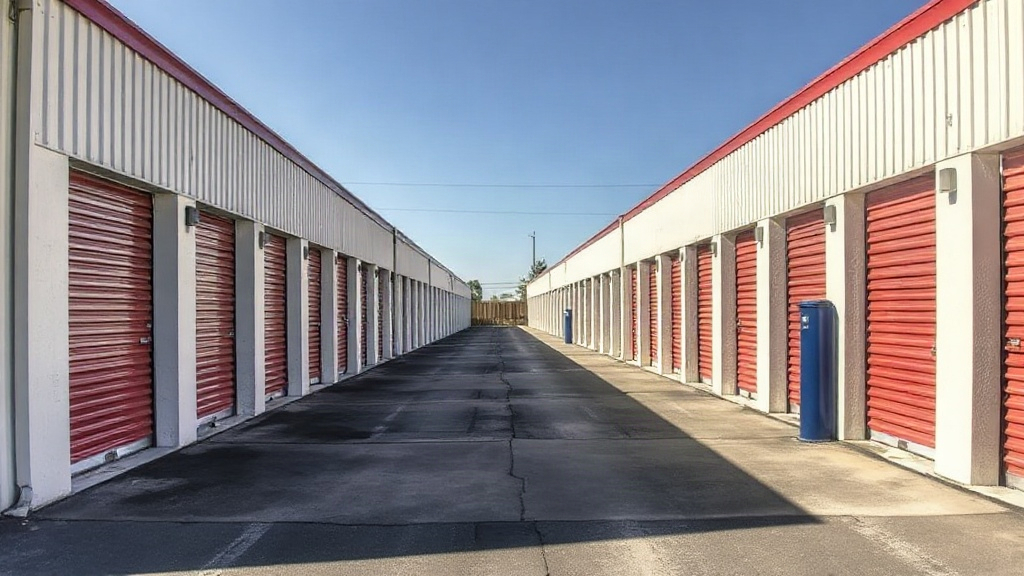
StorSuite has expanded its Storage Shield tenant-protection program to include coverage for non-enclosed parking spaces, a move that extends protection options to outdoor vehicle storage areas previously excluded from most facility insurance products. The expansion allows self-storage operators offering uncovered parking, boat slips, or RV spaces to now offer the same tenant-protection coverage they sell on traditional enclosed units.
StorSuite Storage Shield operates as an optional damage waiver program that tenants can purchase as an alternative to maintaining their own insurance policy on stored property. Until now, the program covered only enclosed storage units. The addition of non-enclosed parking means facilities can generate tenant protection revenue across their entire footprint, including areas that have historically been difficult to insure under conventional programs.
What Non-Enclosed Parking Coverage Means for Small Operators
For independent operators, the expansion raises a practical question: should you extend tenant protection to your parking spaces, and if so, how do you administer it without adding administrative burden?
The revenue opportunity is straightforward. A facility with 20 outdoor RV spaces previously generated protection revenue only from its enclosed units. Now those parking spaces can contribute incremental monthly income if tenants opt in. For a small operator running lean, that additional revenue can be meaningful, especially when parking spaces typically command lower base rents than enclosed units.
The challenge lies in execution. Adding a protection tier for non-enclosed spaces means tracking which tenants have opted in, applying the correct monthly charge to the right lease types, and ensuring compliance documentation is captured at move-in. For operators managing leases manually or with spreadsheets, that's a recipe for billing errors and coverage gaps.
Administering Multi-Tier Protection Programs in Stowlane
Modern self-storage management software handles these variables at the lease level, not as a manual overlay. When a facility offers different protection tiers—say, one rate for climate-controlled units, another for drive-up units, and now a third for non-enclosed parking—the system should let you define those as optional line items that attach to specific unit types.
In Stowlane's tenant and lease management system, an operator can configure recurring charges by unit category, so a tenant renting an outdoor RV space automatically sees the appropriate protection option during online move-in or lease e-signing. Once the tenant opts in, that monthly charge posts automatically alongside the base rent. Because Stowlane processes payments through the operator's own Stripe account, tenant protection fees flow directly into the facility's revenue stream with no third-party processing holdbacks.
Automatic late fees and a built-in delinquency ladder ensure that protection charges are treated like any other rent component: if a tenant's autopay fails or they miss a payment, the system assesses late fees and escalates collection steps without manual intervention. The operator gets a clear picture of protection adoption and revenue through Stowlane's reports, which break out charges by type and unit category.
The Underwriting Calculus for Parking Spaces
Non-enclosed parking introduces different risk variables than enclosed storage. Vehicles parked outdoors face weather exposure, vandalism, and theft risk that an indoor unit does not. Operators evaluating whether to offer StorSuite Storage Shield or any tenant-protection product on parking spaces need to weigh the incremental revenue against the potential for higher claim frequency in that category.
This is where data becomes essential. A facility using software with robust reporting can model the revenue impact before rolling out protection on parking spaces. For example, if a 150-unit facility with 25 outdoor parking spaces charges a hypothetical $15 per month for non-enclosed parking protection and achieves a 60 percent take rate, that's $225 in new monthly recurring revenue—$2,700 annually—from a previously unmonetized risk category.
Stowlane's flat pricing by facility size, starting at $99 per month for the first 100 units, means adding parking spaces to your portfolio and extending protection programs across them doesn't trigger per-unit software fees. The platform supports free unlimited locations, so operators with multiple sites can manage differentiated protection offerings from a single dashboard, whether tenants pay online through the optional tenant portal or in person.
Next Steps for Independent Operators
If your facility offers outdoor vehicle storage, the expansion of tenant-protection programs like StorSuite Storage Shield to non-enclosed parking spaces is worth evaluating. The key is ensuring your management systems can handle tiered pricing, automated billing, and compliance documentation without manual workarounds. See plans and start a trial at stowlane.com/pricing to explore how Stowlane supports multi-tier lease management and recurring charge automation for facilities of any size.