
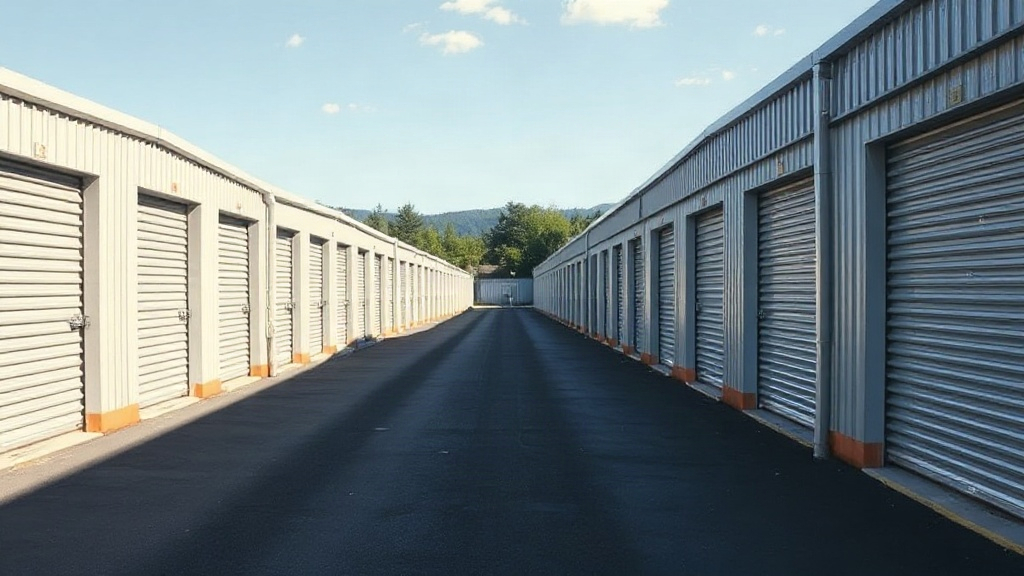
Talonvest Capital Advisors has arranged $87 million in self-storage bridge financing for two new ground-up development projects, the commercial real estate finance firm announced recently. The interest-only construction loans were structured for separate developers pursuing climate-controlled facilities in growing markets.
The transactions underscore continued lender appetite for self-storage development loans, even as interest rates remain elevated and construction costs challenge pro forma returns. Both deals featured interest-only periods during lease-up, allowing developers to defer principal payments until properties reach stabilization.
What Self-Storage Bridge Financing Means for Small Operators
For independent owners considering expansion or new builds, these large-scale deals offer useful signals about the current financing landscape—and important cautions.
First, construction financing remains available, but lenders are scrutinizing projects more carefully. Interest-only structures help manage cash flow during the critical lease-up phase, but they also mean developers are betting on timely absorption in increasingly competitive markets. A facility that takes 36 months to stabilize instead of 24 can quickly erode projected returns.
Second, self-storage development loans today typically require stronger sponsorship, higher equity contributions, and more conservative underwriting than in recent years. Small operators exploring a second or third location should expect lenders to examine existing portfolio performance closely—making clean financials and strong operational metrics more important than ever.
Managing Existing Facilities to Position for Growth
If expansion is on your roadmap, the groundwork starts with how you run your current operation. Lenders want to see consistent occupancy, disciplined rent collection, and transparent financial reporting. That means having systems in place that demonstrate operational competence.
Modern self-storage management software like Stowlane gives independent operators the infrastructure to present a professional, data-driven operation when the time comes to approach lenders. Comprehensive tenant and lease management, automated late fees with a structured delinquency ladder, and detailed financial reports provide the documentation banks expect during due diligence.
Online payments with autopay—running on the operator's own Stripe account—improve collection rates and cash flow consistency, two metrics that matter in loan underwriting. Lease e-signing streamlines move-ins and creates clean audit trails. And when you're managing multiple locations, having unlimited facilities under one platform with flat pricing by facility size (starting at $99/month for the first 100 units) keeps your tech stack scalable without adding complexity or unpredictable costs as you grow.
Assessing Risk Before Pursuing New Development
Bridge financing and construction loans carry materially different risk profiles than acquisition financing for stabilized assets. Small operators should assess several factors before committing:
- Market absorption: Can your market support the additional supply you're adding? Study competing facilities' lease-up timelines and current occupancy rates.
- Construction cost overruns: Budget contingencies of at least 10-15% and understand how your lender handles change orders and draw schedules.
- Lease-up duration: Model conservative fill rates. A facility targeting 150 units might realistically add 6-8 units per month in a competitive market, meaning 18-24 months to meaningful cash flow.
- Operating cash reserves: Interest-only payments still require cash, and you'll need capital for marketing, staffing, and technology before revenue covers expenses.
- Management bandwidth: Can you operate a new facility while maintaining performance at existing locations?
That last point is where infrastructure matters. Technology that automates routine tasks—autopay processing, late fee assessment, gate code management, optional tenant portals for self-service—frees you to focus on lease-up marketing and strategic decisions rather than daily administrative work across multiple sites.
Building for Tomorrow, Today
The Talonvest transactions demonstrate that capital remains available for well-sponsored self-storage projects. But the bar is higher, and the margin for operational error is thinner.
Whether you're exploring development or simply positioning your existing facility for long-term success, the operational foundation you build today determines your options tomorrow. Clean data, professional systems, and efficient processes aren't just nice to have—they're the infrastructure that makes growth possible.
If you're ready to bring enterprise-grade management tools to your independent operation without enterprise pricing or complexity, explore how Stowlane's straightforward platform can help you operate more professionally and position for whatever comes next.