
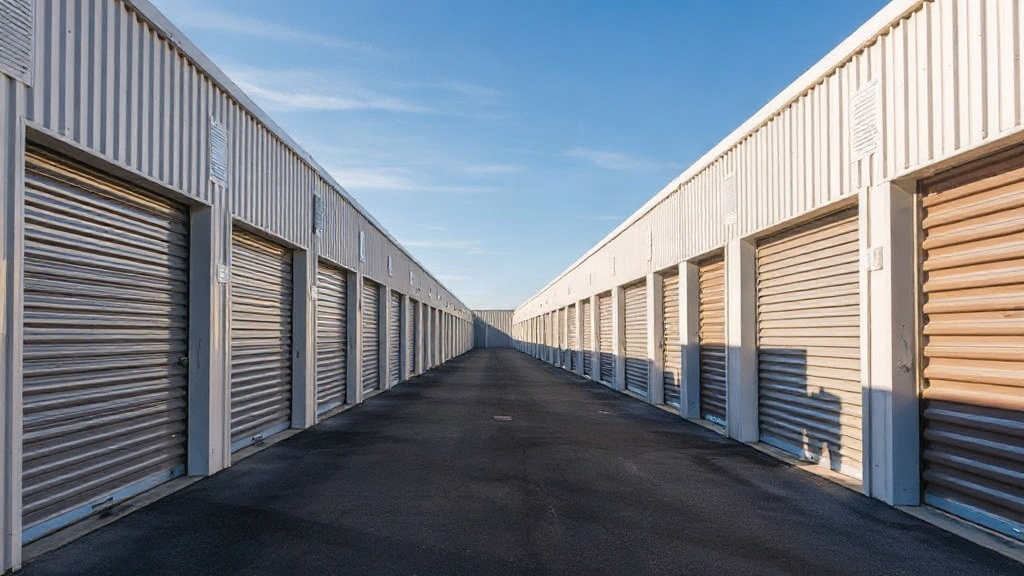
West Coast Self-Storage announced plans to deploy smart unit monitoring technology across nearly 170 facilities nationwide by the fourth quarter of 2026, marking one of the largest portfolio-wide rollouts of sensor-based unit monitoring in the U.S. self-storage industry to date. The initiative will equip individual storage units with connected sensors that detect unauthorized access, environmental changes, and other security events, then alert both tenants and facility staff in real time.
The West Coast Self-Storage rollout is the latest sign that what was once considered a premium feature is quickly becoming table stakes. As major operators standardize smart unit monitoring as a core amenity, tenant security expectations are rising across the board—and small, independent facilities now face a choice: adopt similar technology to stay competitive, or find ways to position their existing operations as equally secure and responsive without the capital outlay.
What Smart Monitoring Means for Tenant Expectations
When a national chain advertises real-time security alerts and sensor-backed peace of mind, prospective tenants begin to ask the same questions of every facility they visit. Can you tell me if someone enters my unit? Will I get a notification if there's a problem? The technology itself may be new, but the underlying expectation—transparency, communication, and proactive security—is not.
For small operators, the challenge is not necessarily to match the hardware dollar-for-dollar, but to demonstrate that tenants will be informed, protected, and well-served. That starts with rock-solid operational infrastructure: clear lease terms, consistent communication, prompt response to issues, and visible, reliable security measures already in place.
Competing on Operations, Not Just Sensors
Independent facilities have always succeeded by being more responsive, more personal, and more flexible than the big players. Smart unit monitoring may be the headline feature in a major rollout, but tenants also care deeply about ease of payment, fast communication, transparent policies, and knowing their facility is well-managed day to day.
This is where modern self-storage management software makes a tangible difference. Stowlane gives small operators the same operational polish that large portfolios enjoy—without the enterprise price tag or complexity. Tenant and lease management tools keep every account current and organized. Online payments through the operator's own Stripe account mean tenants can pay anytime, from anywhere, with autopay options that reduce late payments before they start. Automatic late fees and a built-in delinquency ladder ensure consistent enforcement without manual tracking. Lease e-signing speeds move-ins and eliminates paper. A optional tenant portal lets renters view their account, make payments, and update contact information on their own time.
When a prospective tenant asks about security, a well-run independent facility can point to video surveillance, controlled gate access with unique codes managed in software, and a management system that flags unusual account activity or overdue balances instantly. Those operational safeguards, delivered consistently, build trust just as effectively as a sensor reading.
Positioning Technology You Already Have
Many small operators already use gate access systems, cameras, and on-site staff or regular facility checks. The key is to communicate those measures clearly during tours, on the website, and in lease conversations. If you offer unique gate codes per tenant, say so. If your software sends automated reminders and receipts, that's tenant communication in action. If you can pull reports that show exactly who accessed the facility and when, that's transparency.
Stowlane's flat pricing—starting at $99 per month for facilities with up to 100 units, with free unlimited locations—means a single-site independent operator or a small portfolio can access the same feature set without worrying about per-tenant fees or surprise up-charges. The platform is built for operators who want to run a tight, professional operation and compete on service, not on who has the biggest technology budget.
The Bottom Line for Small Operators
The West Coast Self-Storage rollout is a signal, not a mandate. Tenants want security, communication, and confidence that their belongings are safe and their facility is well-managed. Smart unit monitoring is one way to deliver that. But strong operations, clear policies, responsive management, and modern software that automates the essentials can be just as compelling—and far more attainable for the independent operator working to stand out in a market where the big players are raising the bar.
If you're ready to sharpen your operations and show tenants you run a facility that's every bit as professional as the national chains, explore what Stowlane can do for your business today.