
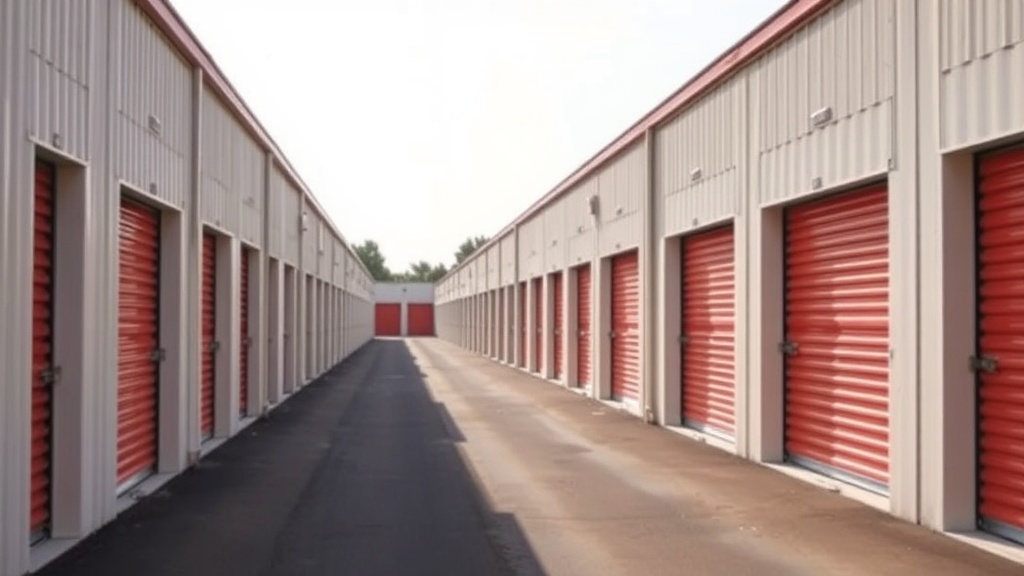
The Yardi Matrix July 2026 report confirms what many independent self-storage operators have been sensing on the ground: after a brief revenue growth uptick in the first quarter, U.S. street rate declines have resumed and self-storage demand is softening nationwide. National average street rates for 10×10 non-climate units dropped 2.4% month-over-month in July, and occupancy across surveyed facilities slipped to 89.7%—down from 91.2% in March—as move-in velocity cooled heading into summer.
For small, independent operators, this shift demands a tactical response. The temptation in a cooling market is to slash prices and offer aggressive move-in specials to keep units full. But that reflex can erode revenue faster than a few empty units ever would—especially when larger REIT competitors have the balance sheets to sustain prolonged discounting wars.
Protect Revenue Without Racing to the Bottom
When street rates are slipping, the priority isn't simply filling every unit; it's protecting revenue per occupied unit while staying competitive locally. That means segmenting your pricing by unit type and tenant vintage, not applying blanket discounts across the board.
Start by auditing your current tenant base. Tenants who moved in six, twelve, or eighteen months ago are often still paying below-market rates from earlier promotions. Even in a softening market, those legacy rates can—and should—be nudged upward with modest, carefully timed increases. A $5 monthly increase on a 10×10 unit, applied to fifty long-term tenants, generates an extra $3,000 annually without touching street rates at all.
At the same time, resist the urge to over-discount new move-ins. A one-month-free promotion might fill a unit today, but if that tenant stays two years at a depressed base rate, you've sacrificed thousands in potential revenue. Instead, consider shorter, targeted incentives—half off the first month, or a waived admin fee—that bring tenants in without locking you into a low rate for the long haul.
Use Real-Time Data to Make Local Pricing Decisions
National trends like those in the Yardi Matrix July 2026 report provide context, but your pricing decisions should be driven by your facility's actual occupancy, move-in/move-out velocity, and unit mix. A 150-unit facility at 92% occupancy in a tertiary market faces very different pricing pressures than a 60-unit site at 85% in a metro suburb.
This is where having clean, accessible data matters. When you can pull a quick report showing which unit sizes are turning over, which tenants are past their first lease anniversary, and which rate cohorts are under-performing, you can make surgical adjustments instead of guessing.
Stowlane gives small operators the same reporting clarity that larger competitors rely on—without the enterprise complexity or cost. Built-in reports track occupancy by unit type, aged receivables, move-in trends, and revenue per unit, so you know exactly where to tighten rates, where to hold steady, and where a modest promotion might make sense. Tenant and lease management tools let you segment by move-in date, automate rent increases on rolling schedules, and apply targeted rate changes without manual spreadsheet wrangling.
Automate Collections to Preserve Cash Flow
In a softening market, cash flow discipline becomes even more critical. Late payments and partial payments chip away at revenue just as surely as discounting does—and they're harder to see in aggregate until the damage is done.
Stowlane's online payment system (running on your own Stripe account, so you control funds and fees) supports autopay, which dramatically improves on-time payment rates. Automatic late fees and a configurable delinquency ladder ensure that tenants who do fall behind are moved through a consistent collections process—reminder, late fee, notice, lien—without manual follow-up. Lease e-signing and an optional tenant portal reduce friction at move-in and give tenants self-service tools, freeing you to focus on strategy instead of administration.
Position Against Larger Competitors
REITs can afford to run low street rates for quarters at a time, banking on brand recognition and digital marketing scale to backfill occupancy. Independent operators can't—and shouldn't try to—compete on price alone. Instead, compete on service, convenience, and local reputation. Keep your facility clean, your communication responsive, and your lease process fast and professional. When a prospect compares your well-maintained site and simple online move-in against a big-box competitor's call-center experience, price becomes less decisive.
Stowlane's flat pricing—starting at $99 per month for facilities up to 100 units, with free unlimited locations—means you're not paying a percentage of revenue or per-tenant fees that rise as your business grows. You get tenant and lease management, online payments, gate code integration, late-fee automation, and reporting for one predictable monthly cost, so more of every rent dollar stays with you.
Stay Nimble, Stay Profitable
Street rate declines and demand softening don't have to mean shrinking profits. Small operators who use real data, avoid over-discounting, automate collections, and focus on revenue per unit—not just occupancy—can navigate this cycle profitably and emerge stronger when the market tightens again. If you're ready to bring that level of clarity and control to your facility, see Stowlane's plans and start a trial.